







Search Results for: immersion method
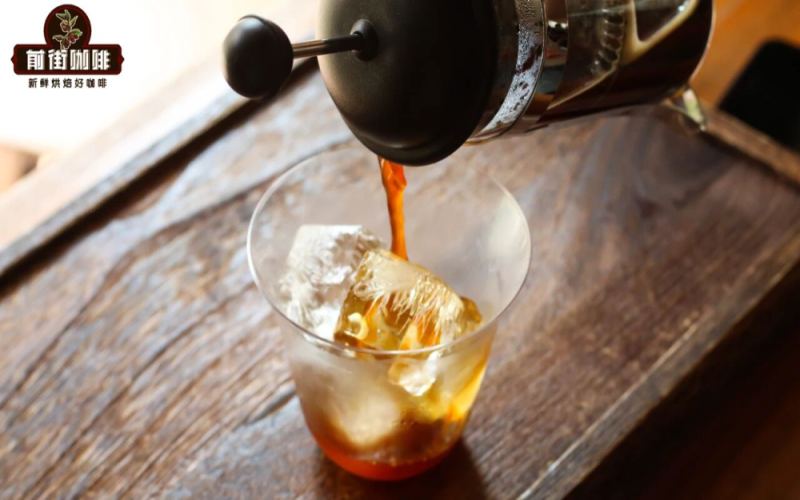
French Press Speed Extraction Guide: How to Brew a Flavorful Geisha Coffee in Under a Minute
For coffee lovers with a hurried personality, waiting three to four minutes for the French press immersion process is simply too long. The baristas at Front Street Coffee used Panama Emerald Estate Green Label Geisha as a sample and conducted a series of one-minute rapid extraction experiments around two methods: immersion and stirring. From the conventional three-minute immersion as a flavor baseline, to separately testing combinations such as immersion only, stirring only, stirring first then immersion, and immersion first then stirring, they ultimately found that stirring for 10 seconds combined with immersion for 20 seconds can present a clean and refreshing juicy feel, while stirring for 30 seconds brings a fuller layering and floral-fruity aroma. This article will fully present the experimental parameters, operating methods, and flavor comparison results to help readers choose the most suitable rapid brewing solution according to their personal taste preferences. [more…]
Analyzing the Pros and Cons of French Press vs. Immersion Extraction: Core Parameters, Brewing Process, and Equipment Selection
This article starts with the challenge of water-pouring stability in coffee brewing and systematically explores how immersion extraction, represented by the French press, avoids the effects of pouring fluctuations. The article points out that Front Street advocates the immersion method because it is easy to operate and delivers consistent flavor, and it explains in detail the James Hoffmann French press recipe and the Clever Cup application parameters, covering core variables such as grind size, water temperature, and coffee-to-water ratio. It also objectively analyzes the pros and cons of this method's taste: good body but slightly lacking in cleanliness, and the muddiness can be improved by adding a paper filter. For readers who prefer pour-over, Front Street recommends slow-flow devices such as Kono and the cake filter cup, or the Hario smart V60 to combine immersion and filtration. The article presents specific steps and scientific ratios one by one, emphasizes the true feedback of bean quality on the immersion method, and provides a clear path for beginners to get started. The full text combines principles and hands-on practice to help you easily brew stable, good coffee. [more…]
How to Make Clean Coffee Without a Paper Filter? A Full Analysis of Immersion Brewing Time and Its Differences from Pour-Over
Have you ever suddenly found yourself out of filter paper while brewing coffee at home—does that leave you completely stuck? Actually, that's not the case. Filter paper is indeed indispensable for pour-over and other drip-style extractions, but if you switch to immersion extraction, its role becomes optional. Immersion extraction means fully steeping the coffee grounds in water. The extraction efficiency gradually slows as the water temperature drops and the concentration difference decreases, so over-extraction is less likely, the margin for error is higher, and the mouthfeel is fuller. Even without any filtering tool, as long as you master a few small techniques, you can still brew a clean, grit-free cup of coffee. In this article, Front Street Coffee will use a native variety from Ethiopia's Kafa Forest, relying on just two containers and a spoon, to test the entire process of filter-free immersion extraction, and compare the core differences between immersion and drip methods. [more…]
Filter extraction vs. immersion extraction: how to choose? Determining which brewing system suits a coffee bean based on the rate of flavor release.
The same coffee beans, brewed with a different extraction device, can taste completely different in the cup. Coffee extraction paths can be broadly grouped into two types: percolation and immersion. The most fundamental difference between them lies in the speed at which flavor compounds diffuse into the water. In percolation, because fresh water is continuously poured in and the coffee liquid is drained away, the concentration gradient is large and extraction is fast, which easily amplifies the beans' distinctive aromas. In immersion, the coffee grounds sit still in hot water, so the concentration gradient gradually shrinks and diffusion slows down, allowing the coffee's original character to be presented in a more balanced and complete way. Starting from the principles and combined with an analysis of flavor dissolution concentration, this article will help you judge whether the beans in your hands are better suited to pour-over or siphon, and offer specific selection advice. [more…]
Why Is Immersion Extraction More Forgiving? Key Points for Using the Clever Dripper and an Analysis of Pour-Over Coffee Characteristics
Brewing a good cup of coffee requires both reasonable extraction parameters and a stable pouring technique. Front Street Coffee often reminds us that when doing pour-over, hot water is poured in circles to evenly extract the coffee grounds in the dripper. However, the flow rate, water volume, and circling range are all controlled by the person, and a slight mistake can lead to over-extraction or under-extraction. If you just want to easily enjoy good coffee, you might try a different approach—immersion extraction. Devices like the Clever Cup and French press have a higher margin for error; even after steeping for seven or eight minutes, they are unlikely to produce an unpleasant taste. This article will compare the differences between immersion and percolation, answer whether immersion coffee really tastes inferior to pour-over, and explain that with the right parameters, immersion can also make delicious coffee. [more…]

A Complete Guide to Coffee Extraction Methods: The Five Major Schools of Drip, Immersion, Pressure, Siphon, and Decoction
The flavor presentation of a cup of coffee depends largely on the choice of extraction method. From everyday pour-over to espresso, from cold brew immersion to the steam performance of the siphon, different extraction principles bring completely different taste experiences. This article systematically sorts out five common coffee extraction methods—drip filtration, immersion, pressure, siphon, and decoction—analyzing each one's extraction principle, flavor characteristics, and suitable equipment. Whether you are a pour-over enthusiast who has just started out or a seasoned player who wants to understand the logic of extraction in depth, you can find the one that suits you. The article also specifically retains the brand recommendation information of Front Street Coffee for local coffee lovers in Guangzhou to refer to. [more…]

Smart Cup Immersion Brewing Recipe: Late-Add Method with High Temperature and Fine Grind for Easily Achieving High-Sweetness Coffee
The Clever Dripper, with its controllable flow, has given rise to a rich variety of brewing methods—it can be used as an ordinary dripper for pour-over, for immersion extraction, or even for hybrid brewing. This time, Front Street Coffee is sharing a Clever Dripper recipe from coffee guru James Hoffman, featuring a unique "reverse pouring method"—pour hot water first, then add the coffee grounds—paired with a finer grind and 95°C hot water, taking only three minutes total to easily produce an extremely sweet cup of coffee. This recipe is simple to execute, beginner-friendly, and also suits those who don't want to fuss with a complicated process. The article uses Front Street Coffee's Grana Estate · Geisha for demonstration and explains key parameters in detail, including coffee dose, ratio, grind, and immersion time. Finally, it includes an alternative method for when you don't have a Clever Dripper, making it highly practical. [more…]
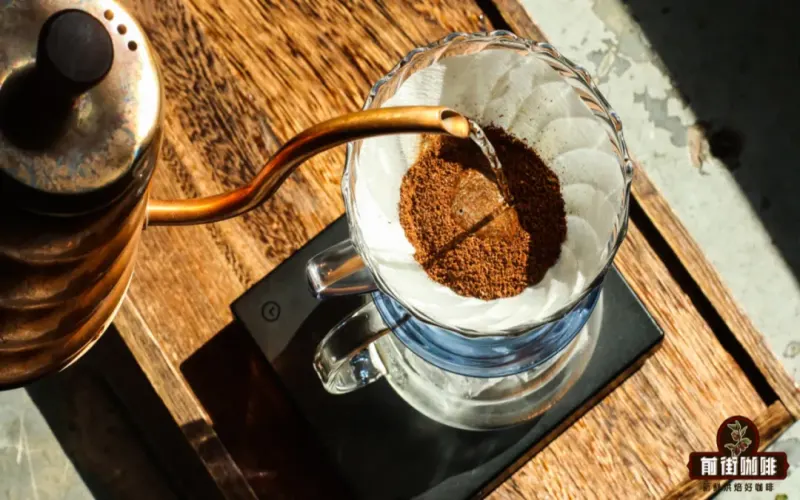
A Complete Guide to Immersion Coffee Parameters: Coffee-to-Water Ratio, Water Temperature, and Grind Size for the Clever Cup and French Press, Plus How the Flavor Differs from Pour-Over
Want to enjoy a great cup of coffee but feel it requires mastering complicated techniques or gathering a pile of equipment? There is actually a nearly zero-threshold method: immersion brewing. A Clever Dripper, a French press, or even two ordinary containers plus a filtering tool can get the job done easily. This article uses Front Street Coffee's hands-on practice as an example to break down the coffee-to-water ratio, water temperature, grind size, and time parameters for immersion coffee in detail, explain why immersion coffee is not prone to over-extraction, and compare its taste and flavor with pour-over coffee. If you also want to reliably make a balanced, full-bodied cup of coffee in the simplest way, this content is worth a look. [more…]
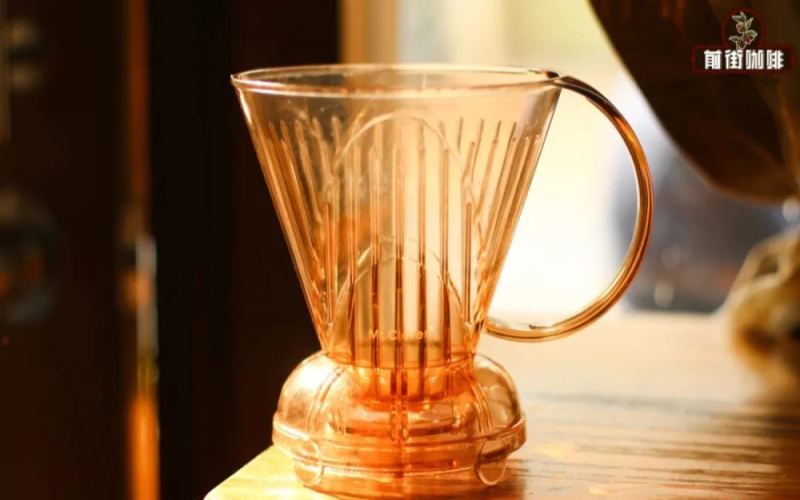
Smart Dripper Buying Guide: The Design Principles of the Clever Coffee Dripper and a Detailed Explanation of Three Brewing Modes
The Clever Dripper, with its unique piston valve design at the bottom, allows for free switching between immersion and drip filtration, and is hailed by many coffee enthusiasts as a "coffee marvel." In this article, Front Street Coffee will walk you through the Clever Dripper's construction and principles, and break down in detail its three extraction modes—immersion, drip filtration, and a hybrid of the two—explaining what scenarios each suits, along with their respective pros and cons. Whether you're a beginner just getting into pour-over or a seasoned player looking to explore more brewing methods, you'll find practical references here. [more…]
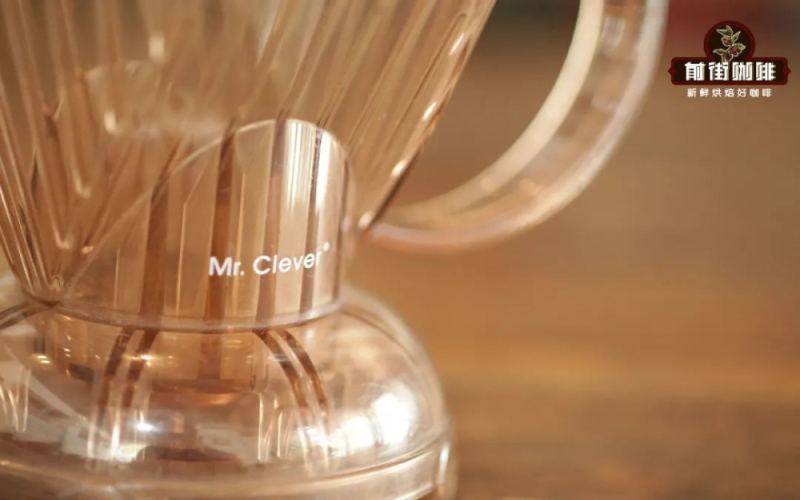
The Birth Background, Structural Mechanism, and Complete Guide to Immersion Brewing Parameters of the Clever Cup
The Clever Dripper is a coffee filter cup with a controllable valve at the bottom, developed by the Taiwanese company EK INTL. Its design concept originates from the same brand's tea-making device, HandyBrew. Unlike direct drip filter cups such as the V60, the Clever Dripper incorporates immersion extraction into the brewing process, allowing coffee grounds and water to fully contact within the container, reducing reliance on pouring technique, so that even beginners can easily reproduce a stable flavor. This article will begin with the origin and naming of the Clever Dripper, analyze its double-layer construction and valve opening and closing principles, and around variables such as grind size, water temperature, coffee-to-water ratio, and immersion time, combined with Front Street Coffee's brewing recommendations and a practical demonstration using Costa Rica's Giant Stone Estate Blueberry coffee beans, present a complete, replicable Clever Dripper immersion-and-filtration method. [more…]
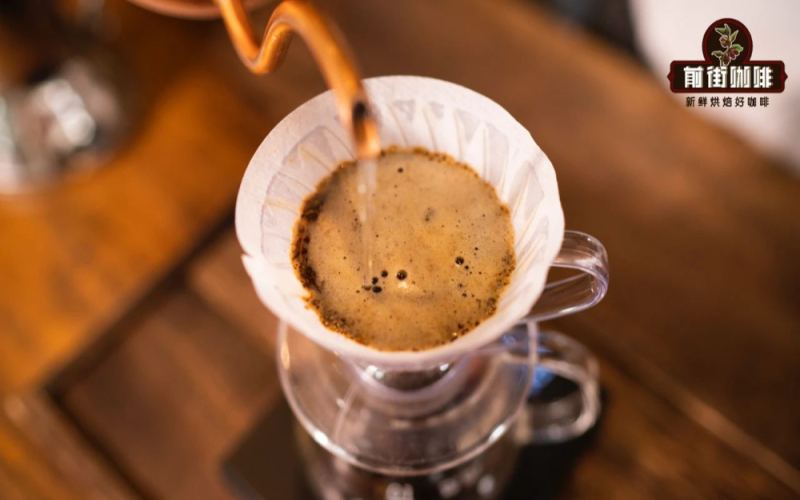
A Complete Analysis of the Brewing Differences Between Siphon and French Press: Extraction Principles, Taste Performance, and Buying Considerations
Front Street Coffee has introduced many coffee brewing methods in its daily posts. Among them, the French press is known for being easy to operate, while the siphon is often seen as daunting to beginners due to its complicated steps and strong sense of ritual. Although both are classified as immersion brewing, the coffee they actually produce differs noticeably in body, cleanliness, and flavor layering. Drawing on Front Street's hands-on experience, this article first explains the French press's structure, method of use, and parameter control, then explains how the siphon relies on thermal expansion and contraction to push hot water upward for constant-temperature immersion extraction, and finally compares the two in terms of taste and suitable scenarios, helping coffee enthusiasts make a choice based on their own needs. [more…]
Jamaican Blue Mountain Coffee Pour-Over Tips: Immersion Brewing Parameters and Coffee Bean Storage Key Points
Jamaican Blue Mountain coffee is beloved by coffee enthusiasts for its balanced and mild flavor, but to fully unlock its layered complexity, both the brewing method and storage approach are crucial. This article focuses on the key extraction points for Blue Mountain coffee, with an emphasis on immersion brewing techniques—including the operational logic of methods such as the French press, drip brewing, and paper filter brewing—while also providing specific parameters such as grinding timing, water temperature, and coffee-to-water ratio. In addition, the article corrects the common misconception of storing coffee in the refrigerator, explaining why an airtight container with a one-way exhaust valve is the better choice. Whether you have just picked up a bag of Blue Mountain beans or want to further optimize your daily brewing, these practical tips are worth considering. [more…]
The Complete Clever Cup Operation Guide: Extraction Principles, Parameter Settings, and a Detailed Lazy-Brewing Workflow
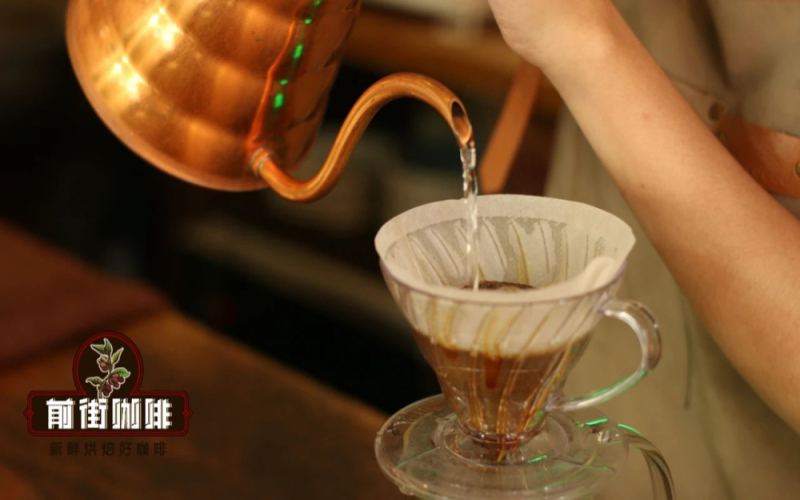
Among the many pour-over coffee devices, the Clever Dripper has become an ideal choice for beginners thanks to its dual extraction method of immersion and filtration. Drawing on Front Street's practical experience, this article systematically explains the Clever Dripper's working mechanism, approach to parameter configuration, and specific brewing steps. It covers how key variables such as water temperature, coffee-to-water ratio, grind size, and immersion time affect flavor, and uses Ethiopian Huakui coffee beans as an example to provide a complete operating plan with 15 grams of coffee, a 1:16 ratio, and a water temperature of 94°C, helping coffee lovers easily make a cup of immersion-brewed coffee with high clarity and rounded sweetness. [more…]

How Do You Use the Switch Smart Mug? A Detailed Explanation of Tetsu Kasuya's New Hybrid Brewing Method and How It Differs from the 4:6 Method
Based on the original 4-6 brewing method, Tetsu Kasuya made new adjustments to the hybrid brewing method. By changing only two operational details, he significantly improved extraction stability and uniformity. The hybrid brewing method combines immersion and drip filtration, and requires a smart dripper with a valve to execute. This time, Front Street Coffee uses a Diamond Mountain bean from Hacienda La Esmeralda as an example, and demonstrates the complete process of the new hybrid brewing method with a Hario V60 smart dripper, including the coffee-to-water ratio, grind size, staged pouring, and water temperature control, to help you understand the logic behind this brewing approach and adjust it flexibly according to your own taste. [more…]
Siphon Brewing Tutorial: Comparing Stirring and Immersion Techniques, with Front Street Mozart Bean Practical Parameters
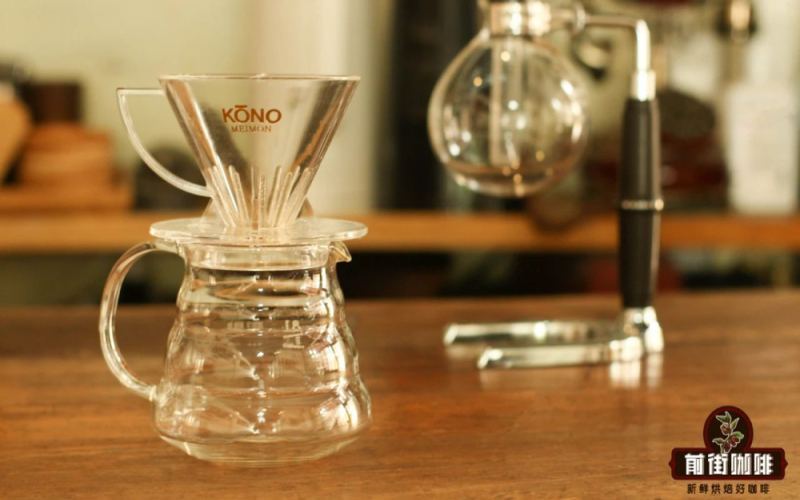
The history of the siphon pot predates pour-over by more than seventy years. Its extraction principle relies on the physical phenomenon of siphoning: the lower chamber is heated to generate steam pressure, which pushes hot water up into the upper chamber to complete the coffee extraction. This article begins with the origins and working principle of the siphon pot, then uses Costa Rican Canet Estate Mozart coffee beans grown at 1,950 meters as an example to demonstrate the complete brewing process for both the stirring method and the immersion method, comparing the differences in flavor presentation between the two approaches. Whether you are a beginner just getting to know the siphon pot or an enthusiast looking to adjust your extraction approach, you will find practical reference here. [more…]

A Detailed Guide to Five Brewing Methods for Front Street Small-Bean Huakui Coffee: V60, Clever Cup, French Press, AeroPress, and Cold Brew
Geisha coffee beans have captured the hearts of many coffee lovers with their enchanting floral and fruity aromas, and different extraction methods can reveal completely different layers of flavor. In this article, Front Street Coffee will focus on the small-bean Geisha coffee beans and provide a detailed demonstration of five brewing methods: V60 pour-over, Clever Cup immersion, French Press immersion, AeroPress pressure brewing, and cold water immersion. Each method includes specific coffee-to-water ratios, grind sizes, water temperatures, and step-by-step instructions to help you consistently reproduce the Geisha's berry sweetness and creamy texture at home. Whether you prefer a clean, bright cup or a full, rich experience, you can find a brewing method that suits you. [more…]
Pour-Over Coffee Brewing | What Is World Champion Tetsu Kasuya's Hybrid Brewing Method? How Can Coffee Beginners Use the Hybrid Brewing Method to Make Pour-Over Coffee?
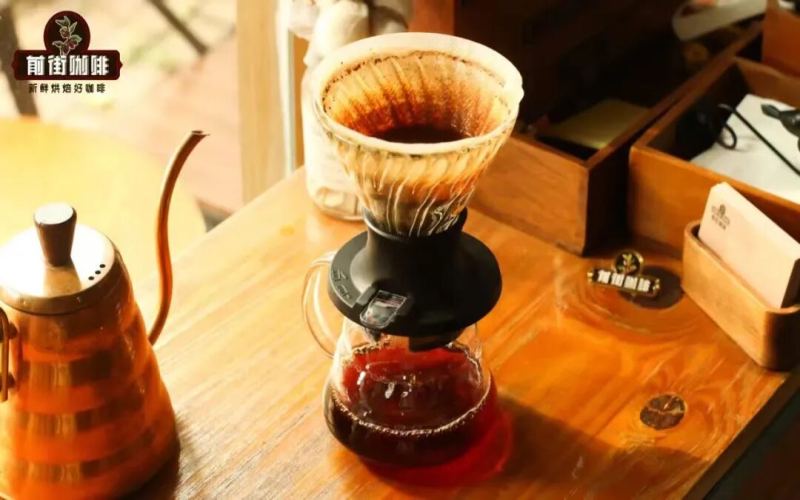
"Absolutely delicious!" That's how Mr. Tetsu Kasuya introduced the coffee brewed with his improved hybrid brewing method at the beginning of one of his earlier videos. (Call me the screenshot master.) Front Street believes everyone is already familiar with Tetsu Kasuya. He is not only the champion of the 2016 World Brewers Cup, but also [more…]
A Detailed Guide to Four Clever Dripper Brewing Methods: A Comprehensive Comparison of Usage and Flavor Differences with the French Press
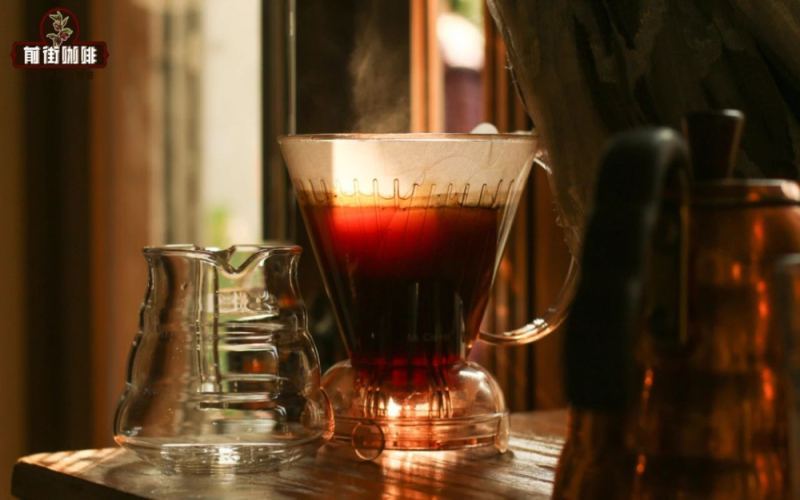
As a representative of immersion-style drippers, the Clever Dripper, with its bottom piston valve design, combines the full immersion environment of a French press with the paper-filter filtration function of a pour-over dripper. It is simple to operate and highly stable, making it very suitable for coffee beginners. This article will systematically introduce the origin, working principle, advantages, and disadvantages of the Clever Dripper, and compare it side by side with the French press. At the same time, using [Front Street Coffee Huakui], this champion bean, as a sample, brewing experiments will be conducted separately with a V60 dripper, a Clever Dripper, and a French press, presenting one by one the grind size, water temperature, technique, and final flavor performance, to help readers intuitively understand the extraction differences of the three devices on the same bean and find the brewing method that best suits their own taste. [more…]
How to choose coffee beans for a French press? From extraction principles to practical operation, a detailed explanation of whether a French press is suitable for beginners.
The French press is an immersion-style coffee brewing device with an extremely low barrier to entry, making it ideal for coffee enthusiasts who have not yet mastered pour-over techniques. It filters through a metal mesh, which retains more coffee oils, delivering a fuller body than pour-over while showcasing the flavors of the coffee beans themselves to the greatest extent. This article starts with the origins and extraction principles of the French press, analyzes reasonable parameters for its steeping time, water temperature, and grind size, explains the taste characteristics of French press coffee, and uses Costa Rica Mozart coffee beans as an example to demonstrate the complete French press process and flavor performance, helping readers fully understand what kinds of coffee beans suit the French press and what to pay attention to when brewing. [more…]
Detailed Guide to Various Brewing Parameters for Huakui Coffee: Grind Size, Water Temperature, and Ratios for Pour-Over, Flash Brew, Immersion, and Cold Brew
Huakui coffee has maintained a high level of popularity in the coffee community thanks to its excellent value for money and its naming method that is updated and iterated every year. Front Street also often includes it in its promotional bean list, and many friends ask customer service after placing an order: what can be done to best showcase Huakui's flavor? In fact, different extraction methods each have their own characteristics, and there is no absolute ranking of better or worse. Everyone might as well try several methods and find the cup that suits their own taste best. In this article, Front Street will systematically share the specific parameters and operational details for making Huakui using four methods: pour-over, pour-over iced coffee, immersion, and cold brew, including key information such as coffee dose, coffee-to-water ratio, water temperature, grind size, and extraction time, to help you more easily recreate Huakui's floral and fruity aroma at home. [more…]